



A wet hallway, a student outburst, or years of lifting classroom supplies can leave a dedicated school employee unable to work. Workers comp for teachers California can provide medical treatment and disability payments, but school district procedures and insurer disputes often make a straightforward claim feel anything but simple.
Schedule a free consultation with Hinden & Breslavsky about your school workplace injury.
Workers comp for teachers California covers teachers and other school employees whose job duties cause or aggravate an injury. Eligible benefits may include medical care, temporary or permanent disability payments, and job-displacement support. Report the injury promptly, request and submit a DWC-1 claim form, follow medical instructions, and preserve records in case the district or insurer disputes the claim.
Understanding your rights is the first step toward a successful recovery and return to your school. The practical steps below explain who qualifies and how to protect a claim.
Who qualifies for workers comp for teachers California?
Most people who work in a school can get help if they get hurt on the job. California law says that almost all employers must have insurance for their staff. This rule applies even if the school only has one worker. Whether you work for a large school district or a small private school, you should have help for your health needs. These laws ensure you get care and pay while you recover from a work injury.
School roles covered by state law
You do not have to be a full time teacher to get help. Many different types of school workers qualify for California workers compensation benefits. This includes aides who help in the classroom and janitors who keep the school clean. Lunch staff, bus drivers, and office clerks are also covered by these laws. Even if your job is part time, the law still protects you on campus.
Substitutes and student teachers may also have the right to file a claim. Even school leads and managers have the right to get care after a work injury. If you are on the payroll of a school or district, the law likely protects you. Most California employers must give benefits to their staff under state labor rules. This applies to both public and private schools across the state.
Injury types that meet the rules
To get help, your hurt or illness must happen because of your work tasks. This is true whether the hurt was a sudden event or grew over a long time. Sudden trips like a fall in a hallway or a back strain while moving heavy desks are clear cases. But you can also file for health issues that happen slowly over many months or years. These are common in busy school settings.
Staff often face stress from standing for long hours or doing the same tasks every day. Some people may get sick from mold or other things in the school air. These are called cumulative trauma claims. The law uses a trade-off where you get medical care no matter who is at fault for the hurt. In return, you usually cannot sue your school for the injury. This system aims to give you fast help without a long court fight.
Proving your injury is work related
The best way to stay eligible for help is to act fast and be clear. You should tell your boss or school lead about your hurt as soon as you can. Waiting too long can cause delays or make the insurance firm doubt your story. It is helpful to write down what happened and keep a list of your doctor visits. Clear notes help show how the work task caused the harm.
You must show that your injury did not come from things you do at home. If you get hurt while on a school trip or during an after school event, you are likely still covered. But injuries that happen on your drive to work are usually not covered. A lawyer can help you find the proof you need to show the injury was work related. Since schools have many rules, having an expert on your side makes the process much easier.
Common injuries among teachers and school employees
Working in a school can be hard on the body. Teachers, aides, and office staff face many risks each day. Even though they work in public buildings, these workers have the same rights as others in the state. Under the law, workers comp for teachers California follows standard rules for on-the-job accidents. These laws cover most staff, like janitors, bus drivers, and kitchen workers.
Physical strain and falls
Teachers and aides often spend long hours on their feet. This can lead to back pain and sore joints in the knees and hips. Many also face strain from writing on boards or typing all day. Doing the same thing with your hands can lead to nerve pain and swelling. These small hurts can build up over time and make it hard to work.
Falls are another major risk in schools. Loose cords, wet floors, and bags in aisles can cause a person to trip. A sudden fall can result in broken bones, sprains, or head wounds. If you are hurt, you must tell your boss right away to get California workers compensation benefits. Telling your boss fast helps avoid delays.
Lifting and hand work
Janitors, food staff, and special needs aides do a lot of heavy lifting. They move desks, boxes of food, and help students who cannot move on their own. This kind of work often leads to pulled muscles and back issues like slipped discs. Using the wrong form can cause a hurt that lasts for years and leads to long-term pain.
School staff also work with cleaners and tools. Janitors use strong soaps that can burn the skin or hurt the lungs. Kitchen staff face heat from ovens and sharp edges on knives and tools. All of these roles have high risks for sudden injuries that need a doctor. If you face a job injury, your boss must pay for your care under the law.
Violence and mental stress
Sadly, some school staff face violence in the classroom. Student outbursts can lead to bruises, bites, or more bad harm to the face and limbs. California law provides help for these types of injuries. According to the Division of Workers’ Compensation, staff get medical care for work injuries no matter who is at fault.
Stress and mental health are also big issues for teachers. Running a large class and meeting state goals can be draining. These jobs are high-pressure and can lead to burnout or heart issues. While these claims can be hard to prove, they are part of the system. The law works as a trade-off where you get help for your hurt in exchange for not suing the school.

What should you do after a school workplace injury?
If you are hurt while working at a school, you must act fast. Knowing what to do can help you get the support you need. Many school employees worry about how a claim might affect their job. But the law protects you when you seek workers comp for teachers California and other staff. Acting soon helps you avoid delays in your care.
Take action now
Your health is your first goal. If your injury is a medical emergency, go to the nearest hospital or clinic right away. You do not need to wait for a green light from the school district to get urgent help. Once you are safe, you must let the school know what happened. You should tell your principal or boss about the injury as soon as you can. Reporting the event fast helps you get California workers compensation benefits without extra wait times. If you wait too long to report the injury, the insurance firm might try to deny your claim.
- Get emergency care. Seek help right away if you have a serious injury. Your safety is most important.
- Tell your boss. Report the injury to your principal or school lead. This starts the real record of your case.
- Fill out a claim form. The school must give you a DWC-1 form within one work day of learning about your injury.
- Seek medical treatment. Go to a doctor who is part of the school district’s medical network. Be clear about how your work caused the injury.
- Track your records. Keep a folder for all letters, medical bills, and doctor notes. These files prove your case later.
- Follow up on your claim. Stay in touch with the claims person. If you run into a workers comp claim delayed issue, talk to a lawyer.
Fill out the legal claim form
The DWC-1 form is the paper that starts your legal claim for benefits. You should fill out the employee part of the form and give it back to the school. The school will then fill out their part and send it to the insurance firm. This form is vital for getting your medical bills paid and receiving money if you cannot work. According to the California Division of Workers’ Compensation, reporting the injury right away helps prevent problems with your benefits. Do not assume the school will handle everything without this form.
See a doctor and keep records
When you see a doctor, explain clearly how the injury happened at the school. Be specific about your pain and how it limits your work. The doctor’s report will be used to decide what kind of care and pay you get. You should go to every visit and follow the doctor’s plan for your healing. Keeping a log of your pains and missed work days is also a smart move. Having good records makes it harder for the insurance firm to push back on your needs.
Benefits available to injured California school workers
California law requires almost all school districts and private schools to carry insurance for work injuries. This system provides vital help to teachers and staff when a job-related health issue occurs. These benefits for injured workers cover much more than just a trip to the doctor. Understanding each type of aid can help you protect your rights after an accident at your school.
Medical care and treatment
The core of any claim is medical care paid for by your employer or their insurer. Under the California workers’ compensation system, you are entitled to prompt and effective treatment to help you heal. This includes doctor visits, hospital stays, physical therapy, and needed tests. You should not see a bill for these services if they are part of your approved claim. Your district must pay for these costs so you can focus on your health.
Cash aid for lost pay
If you cannot work while you heal, you may get temporary disability payments. These checks usually cover two-thirds of your gross weekly pay. This cash helps you keep up with bills during your time off. If your injury leaves you with a permanent loss of body function, you might get permanent disability aid. The amount you get for this depends on your age, job, and the level of your lasting harm. These payments offer long-term support if you can no longer work as you did before.
| Benefit Type | What It Covers | Who Gets It |
|---|---|---|
| Medical Care | Doctor visits, tests, and therapy. | Any worker with a job injury. |
| Temporary Disability | Checks for lost wages while healing. | Workers who cannot do their job now. |
| Permanent Disability | Aid for lasting physical loss. | Workers with permanent body harm. |
| Job Displacement | Vouchers for new skill training. | Workers who cannot return to school. |
Vouchers and death benefits
Some school workers find they cannot return to their old job after an injury. In these cases, you might get a supplemental job displacement voucher. This is a fund you can use to learn new skills or pay for school to start a new career. It helps you stay active in the workforce even if your school job is no longer a fit. Finally, if a work injury leads to death, your family may get death benefits. This aid helps spouses and children cope with the loss of income and funeral costs.
Navigating these rules can be hard, especially if a workers comp claim delayed your access to care. Our team at Hinden & Breslavsky has 50 years of experience helping school staff get the full set of benefits they earn. We work on a contingency model, so you pay no upfront fees for our help. We fight to ensure your school district and the insurance company follow the law and give you every dollar you need.
Issues that can complicate a school employee claim
Filing a workers comp for teachers California claim can be hard. Schools have strict rules that may slow down your path to help. For many staff, the job is not just in one office. It shifts between rooms, yards, and roles. These traits can lead to a workers comp claim delayed if you do not know the risks. You need to act fast to protect your rights.
District rules and role changes
One big hurdle is how you tell the district about a hurt. Large districts often have many layers. You might tell a principal about a harm, but the main office may not get the news for weeks. This gap can hurt your case. If the forms do not move fast, the insurance group may doubt that you got hurt at work.
Changing roles also adds stress to a claim. Many school workers shift from being an aide to a teacher. Others move between school sites in one week. If you get hurt, you must track which site you were at. Clear logs of your work sites help show that your harm came from work.
Summer breaks and extra jobs
The school year has long breaks that can make a claim hard to track. Many teachers work other jobs during the summer. If a hurt shows up during the break, the district may claim it happened at your other job. This is a common issue for those with more than one boss. You must prove the harm started during your school hours.
For those in the public sector, it is also good to know about California Labor Code 4850 benefits. While these are for safety staff, school workers should still check their local rules.
- Keep copies of all work schedules and pay stubs.
- Record hurts as soon as they happen, even during breaks.
- Note if you were working as a sub when the harm occurred.
Cumulative stress and physical toll
Not all school injuries happen in one fall. Many staff suffer from cumulative trauma. This is harm that builds up over long periods. Common ways this shows up include joint pain from standing on hard floors all day and back strain from lifting gear. High-pressure classroom needs also create severe stress.
Under the law, workers have a right to medical care for these types of hurts no matter who is at fault. But because there is no single date of harm, districts often fight these claims. They may say the pain comes from age. Proving a long-term hurt takes proof from doctors and work logs. You must show how the daily work led to the health issue.
What if the district or insurer disputes your claim?
You may face a dispute if the school district or its insurer denies your claim. They might say your injury did not happen at work or that you do not need the medical care you asked for. In some cases, a workers comp claim delayed can feel just as bad as a denial because it keeps you from getting help to heal. If a dispute starts, the California Division of Workers’ Compensation can help fix the issue through its Information and Assistance Unit or a local judge.
Gathering proof for your case
The best way to fight a dispute is with clear facts. You should keep records of every talk you have with the school or the insurance firm. This includes emails, letters, and notes about phone calls. You must also show that your job caused your health problem. For teachers, this often means proving that a slip in the hall or a task like lifting heavy books led to the injury. Strong proof helps show that you have a right to California workers compensation benefits despite the dispute.
The role of medical reports
Doctors play a big part in how the state views your claim. If the insurer fights your case, they might ask for an exam by a doctor who works for the state. This doctor will look at your files and talk to you to decide the cause and scope of your injury. Their report can either help your claim or give the insurer a reason to stop your help. You have the right to fight reports that do not tell the whole story. A skilled Los Angeles workers compensation attorney can help you through these exams and make sure your side is heard.
Deadlines and legal help
You must act fast when a dispute happens. Missing a date can end your chance to get paid for your lost time or medical bills. The law has strict rules for when you must file papers or ask for a talk with a judge. Trying to follow these rules alone while you are hurt is hard. A lawyer can help you meet every goal and fight back against a district that tries to save money at your cost. Our firm has 50 years of experience fighting for school staff. We use that knowledge to push for the best result in your case.
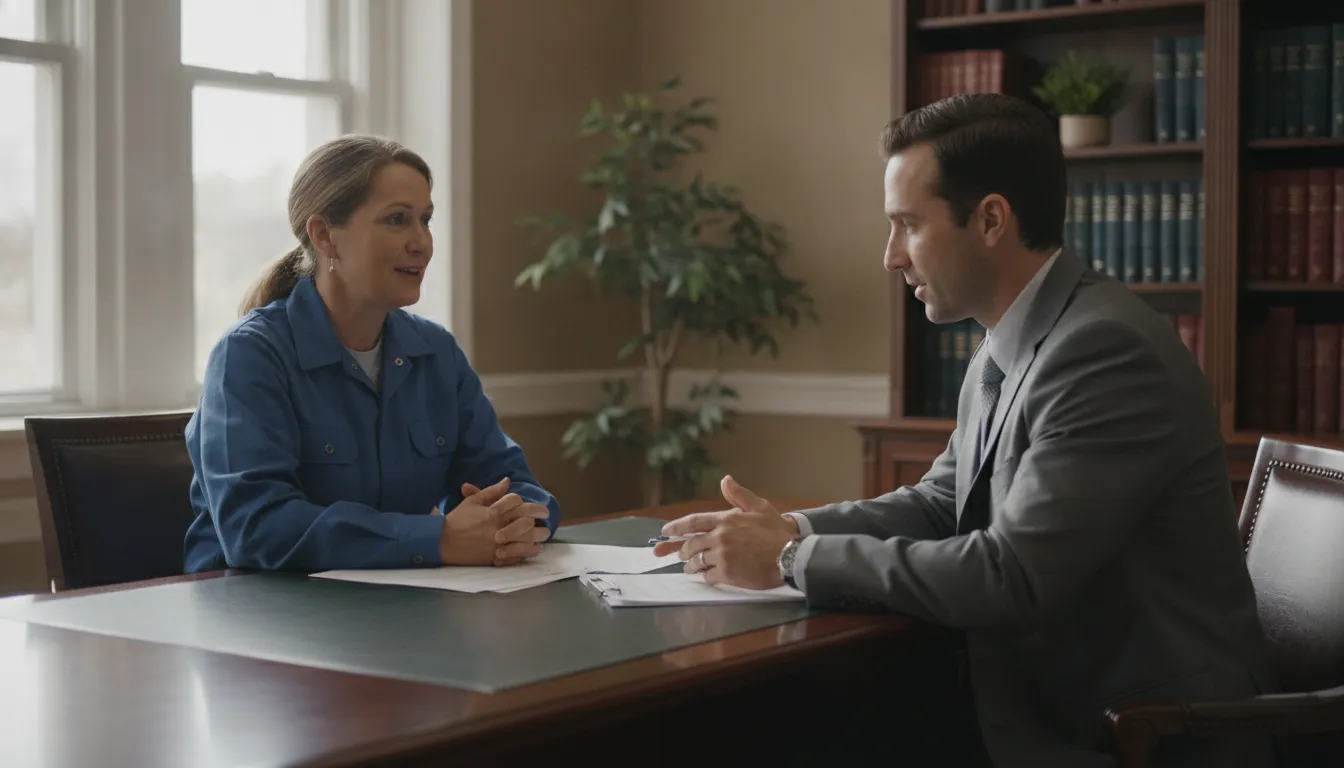
How to protect your workers compensation claim
Filing for workers comp for teachers in California is only the first step. You must also take active moves to protect your rights while your case is open. School districts and their insurance carriers often look for reasons to deny or lower your benefits. By being careful with your words and keeping clear records, you can keep your claim on the right path.
Talk clearly with school staff
You need to tell your supervisor about your injury right away. Under the law, all California employers must provide workers’ comp benefits if they have at least one employee. Waiting to report the event can lead to a workers comp claim delayed or even denied. Be brief and factual when you speak with HR or union reps. Do not guess about the cause of your injury or how long it will take you to heal.
Keep your talks with the claims administrator professional. Their job is to manage the cost of the claim for the school district. You do not have to give a recorded statement without a lawyer present. If you do speak with them, stick to the facts found in your official report. Any change in your story could be used to challenge your California workers compensation benefits later on.
Track your medical care
The medical record is the most vital part of your claim. Be honest with your doctor about your pain and how it limits your work. California law gives you the right to effective medical treatment for your workplace injury. If you miss a doctor visit or fail to follow their plan, the insurer may argue that you are not truly hurt. This can lead to a loss of your disability pay.
Write down everything that happens after your injury. Use a simple log to track your doctor visits, the names of people you talk to, and the dates of those talks. You should also save copies of every form or letter you get from the school or the insurance company. This paper trail helps if you need to take your case before a judge at the Division of Workers’ Compensation.
Talk to Hinden & Breslavsky before a delay, denial, or missed deadline limits your benefits.
Frequently Asked Questions
Do California teachers pay into disability?
Most California teachers do not pay into the state disability insurance system. Instead, they often rely on sick leave or private plans. But if a teacher suffers a workplace injury, workers’ compensation benefits still apply. These benefits provide medical care and pay even without other insurance. This ensures that school staff have support when a work-related illness or accident happens.
Can a hernia be covered under workers’ comp?
Yes, a hernia can be covered if it resulted from job duties. For school employees, this might happen while lifting heavy gear, moving desks, or helping students. The California Division of Workers’ Compensation says that any injury or illness caused by work can get benefits. You must show that the work caused the problem. Reporting the issue at once to your boss is a vital step.
How much does it cost to hire a workers’ comp lawyer in California?
Most workers’ compensation lawyers in California, like the firm Hinden & Breslavsky, use a no win, no fee model. This means you do not pay any upfront legal fees or costs. The law firm only gets a fee if they win benefits for you. This system allows injured teachers and school aides to get legal help without any money risk while they heal.
Can I see my own doctor for a school work injury?
You can see your own doctor only if you named them in writing before your injury. If not, your school district or their insurance firm usually picks the first doctor. The Department of Industrial Relations states that employers must provide care for on-the-job injuries. Following the right steps is vital to make sure your claim stays valid and your bills are paid.
Ready to protect your health and your paycheck?
Waiting to file your claim can put your health and your income at risk. If you do not act fast, you could face doctor bills and lost wages that the school district should pay for. Insurance groups often use small delays as a reason to deny or lower what they owe you for your injury. Starting your case today helps you meet strict legal dates so you do not lose out on help. Our lawyers have fifty years of work helping school staff deal with the system. We fight to make sure you get the full California workers comp benefits you need to focus on getting well and return to work.
Ready to schedule a free consultation? Schedule a free consultation to talk to a workers’ comp lawyer.