



A workplace burn can cause severe pain, missed work, and uncertainty about your next step. A workplace burn injury attorney can help you understand California workers compensation, preserve important evidence, and address disputes. This guide explains what to do after a burn, how to report it, which benefits may apply, and when another party may share responsibility.
Schedule a Free Consultation with Hinden & Breslavsky
What counts as a workplace burn under California workers compensation?
A workplace burn may qualify for California workers compensation when it arises out of and occurs during employment. The injury can result from heat, flames, steam, chemicals, electricity, explosions, or another workplace hazard.
The injury does not need to happen at a desk or factory. Workers compensation may apply to burns suffered during assigned work, required travel, job-site duties, or work-related activities. Coverage depends on the facts, medical evidence, and employment relationship.
Common workplace burn scenarios include:
- Hot liquids, steam, ovens, fryers, or heated equipment
- Welding, cutting, sparks, flames, or explosions
- Chemical splashes, fumes, or corrosive materials
- Electrical contact or arc-flash incidents
- Fires, fuel, gas, or pressurized equipment failures
- Contact with hot surfaces, tools, or machinery
A burn may also affect more than skin. Treatment can involve wound care, surgery, therapy, medication, and support for emotional effects. Your medical team should evaluate your condition. Do not try to diagnose the burn yourself.
What should you do immediately after a workplace burn?
After a workplace burn, prioritize emergency medical care, report the incident, and preserve evidence. Early records can connect the injury to work and document how the burn affects your health and ability to earn wages.
- Get emergency help when needed. Call 911 or go to an emergency department for a serious burn, breathing trouble, electrical injury, chemical exposure, or another urgent condition. Tell medical staff that the injury happened at work.
- Report the incident promptly. Tell your supervisor, manager, or human resources department as soon as possible. California’s Division of Workers’ Compensation warns that waiting more than 30 days to report an injury can jeopardize benefits.
- Request the DWC-1 claim form. Complete the employee section, describe every affected body part, and give the form to your employer. Keep a copy and proof of delivery.
- Follow medical instructions. Attend appointments, follow restrictions, and keep records of treatment, prescriptions, travel, and work limitations.
- Preserve evidence safely. Save photographs, incident reports, work schedules, training records, witness names, and messages about the burn. Do not return to a dangerous area to collect evidence.
- Protect your communications. Keep copies of claim forms, insurer letters, medical notes, wage records, and work-status reports. Avoid guessing about facts when speaking with an insurer.
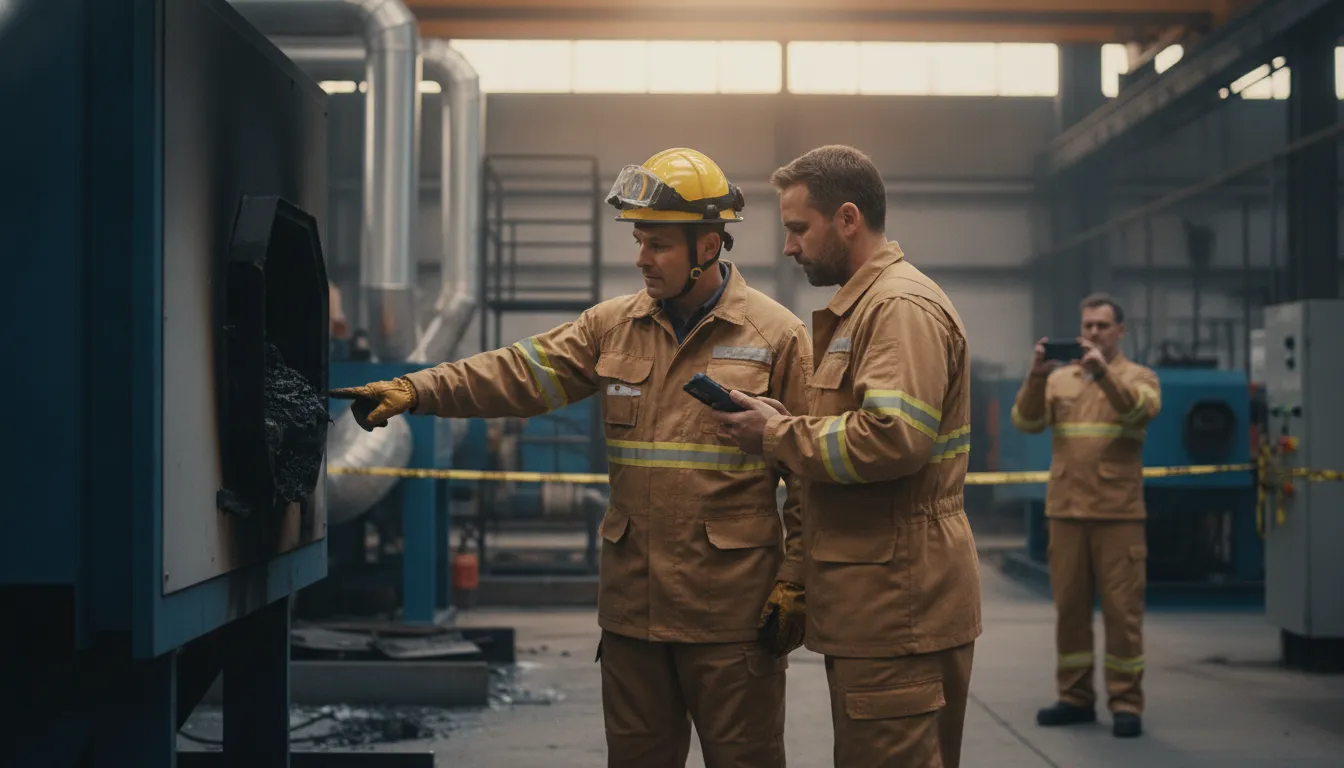
The California DWC explains that injured workers should report an injury to a supervisor immediately or as soon as they learn it is job-related. It also provides a California injured worker guide with claim and benefit information.
How do you report and file a California burn injury claim?
Start by notifying your employer and completing a DWC-1 claim form. The employer must complete its section, provide you a dated copy, and send the claim to the claims administrator. Keep the form and delivery records.
California’s official DWC-1 claim form explains that the employer should complete its portion within one working day. The form also states that the claims administrator should notify you within 14 days whether the claim is accepted or requires further investigation.
Use clear, complete descriptions. Identify:
- The date, time, and location of the burn
- The equipment, substance, heat source, or event involved
- Every body part that was affected
- Witnesses and people who received your report
- Medical facilities and providers who treated you
- Any missed work, restrictions, or changes in your duties
California law also includes a 90-day claim decision rule under Labor Code section 5402, subject to the statute and the facts of the claim. A claims administrator may investigate causation, employment, medical findings, or other issues. Do not assume silence means you should stop treatment or abandon the claim.
For a broader filing checklist, review Hinden & Breslavsky’s California workers compensation eligibility guide. This burn-specific guide focuses on the evidence and care issues that can arise after a workplace burn.
What evidence can strengthen a workplace burn claim?
Strong evidence shows what happened, why it happened at work, and how the injury affects your recovery. Gather records without changing equipment, disturbing a scene, or violating workplace safety rules.
Useful evidence may include:
- Photos of the injury, work area, equipment, and clothing
- Incident, safety, inspection, and maintenance reports
- Names and contact information for witnesses
- Training records, safety instructions, and protective-equipment records
- Medical records, work-status reports, and treatment instructions
- Pay records showing missed work or reduced earnings
- Texts, emails, or messages about the incident and reporting process
- Records showing earlier complaints about the same hazard
Do not post detailed injury photographs or claim discussions publicly. Social media posts can be misunderstood and may be viewed outside their original context. Give relevant records to your attorney or claims representative through a secure process.
What California workers compensation benefits may cover a burn?
California workers compensation may provide medical treatment, partial wage replacement, payments for lasting impairment, job retraining support, and death benefits for eligible dependents. The available benefits depend on medical evidence, work status, wages, and claim facts.
| Benefit | How it may relate to a workplace burn |
|---|---|
| Medical care | Reasonable and necessary care related to the work injury, subject to applicable authorization and treatment rules. |
| Temporary disability | Partial wage replacement when medical restrictions prevent you from working or reduce your ability to work during recovery. |
| Permanent disability | Potential payments when the injury leaves lasting impairment after medical recovery reaches an appropriate stage. |
| Supplemental job displacement | Possible retraining or skill-support benefits when you cannot return to your former job and qualify under California rules. |
| Death benefits | Potential benefits for eligible dependents when a work-related burn causes death. |
Workers compensation generally does not pay pain and suffering or punitive damages. It can still provide critical treatment and income support. Hinden & Breslavsky’s California workers compensation benefits guide explains these categories in more detail.
Contact Hinden & Breslavsky for a Free Consultation
What if the insurer delays or denies the claim?
A delayed or denied claim does not necessarily end your rights. Read every letter, identify the stated reason, continue authorized care, and preserve the dates of your report, DWC-1 filing, medical visits, and insurer communications.
Disputes may involve whether the burn happened at work, whether treatment is necessary, the extent of disability, or whether another condition contributed to symptoms. A claims administrator may request medical records or an evaluation. Respond carefully and meet applicable deadlines.
Hinden & Breslavsky helps injured workers address denied and delayed claims. You can review the firm’s pages about denied California workers compensation claims and delayed workers compensation claims. A workplace burn injury attorney can review the notice and identify the next procedural step.
Can a third party be responsible for a workplace burn?
Sometimes. Workers compensation is generally the main remedy against an employer for a job injury. A separate personal injury claim may exist when a party other than the employer contributed to the incident.
Possible third parties can include an equipment manufacturer, property owner, subcontractor, delivery company, or another business. A third-party claim can involve different proof, deadlines, and damages than a workers compensation claim. Do not assume that filing workers compensation prevents every other legal option.
Preserve equipment information, photographs, names of outside companies, and contracts or delivery records when available. Let an attorney evaluate the relationship between the workplace burn, the outside party, and the available claims.
When should you contact a workplace burn injury attorney?
Consider speaking with an attorney early when the burn is serious, the claim is denied or delayed, medical care is disputed, work restrictions affect your job, or another party may be responsible.
Early legal review can help you understand:
- Whether your injury report and DWC-1 form describe the burn completely
- How medical evidence may affect temporary or permanent disability benefits
- Whether an insurer’s treatment or work-status decision needs review
- Whether workplace equipment or another business requires investigation
- Which deadlines may apply to workers compensation or third-party claims
Hinden & Breslavsky has represented injured workers in California since 1974. The firm handles workers compensation claims and offers a free consultation. No attorney can promise a particular result, but timely advice can help you make informed decisions.
Request a Free Consultation with Hinden & Breslavsky
Frequently asked questions about workplace burn claims
Can I receive workers compensation for a burn that happened at work?
Often, yes, when the burn arose out of and occurred during employment. You must report the injury, file the claim, and provide medical and factual evidence. The claims administrator may investigate before deciding coverage.
How long do I have to report a workplace burn in California?
Report the injury to your employer as soon as possible. California DWC guidance warns that waiting more than 30 days can jeopardize benefits. Prompt reporting also helps preserve witnesses, records, and medical evidence.
Does workers compensation pay for burn treatment?
California workers compensation may cover reasonable and necessary medical care for a covered work injury. Treatment can require authorization and may follow medical provider network rules. Ask the claims administrator how to obtain care and keep all treatment records.
Can I sue someone else after a workplace burn?
Possibly. A separate claim may exist against a negligent third party, such as an equipment manufacturer or another business. The facts and deadlines require individual review. Workers compensation and third-party claims can proceed under different rules.
What if my California workplace burn claim is denied?
Read the denial notice, preserve its date, and seek legal guidance promptly. A denial may be challenged through the workers compensation system. Do not miss a deadline or stop prescribed care because the insurer disputes the claim.
If you were burned at work, Hinden & Breslavsky can review your situation during a free consultation and explain possible next steps.