



Workers in California risk their health every day when bosses use broken tools or old machines. An injury from bad equipment can stop you from working and leave you with big bills. You have legal ways to get help and hold people responsible. Contact a workplace injury lawyer today to discuss your claim.
An unsafe equipment injury at work California usually starts with a workers’ compensation claim to cover your medical care and lost pay. This system is no-fault, so you do not have to prove your boss did something wrong to get help. But if a machine was poorly made or failed, you might also have a third-party claim against the maker of that tool. These extra cases can provide more money than a normal work claim, such as pay for your pain and suffering. California law says your boss must keep the workplace safe and provide training on how to use all gear. If they fail to do this, or if a tool is dangerous, you should seek legal help. We help you find every source of pay.
Many workers feel very lost after a bad accident and do not know where to turn for help. You must take the right steps to protect your future after a bad accident at your job. We can help you manage a workers’ compensation claim while identifying whether another company may also be responsible.
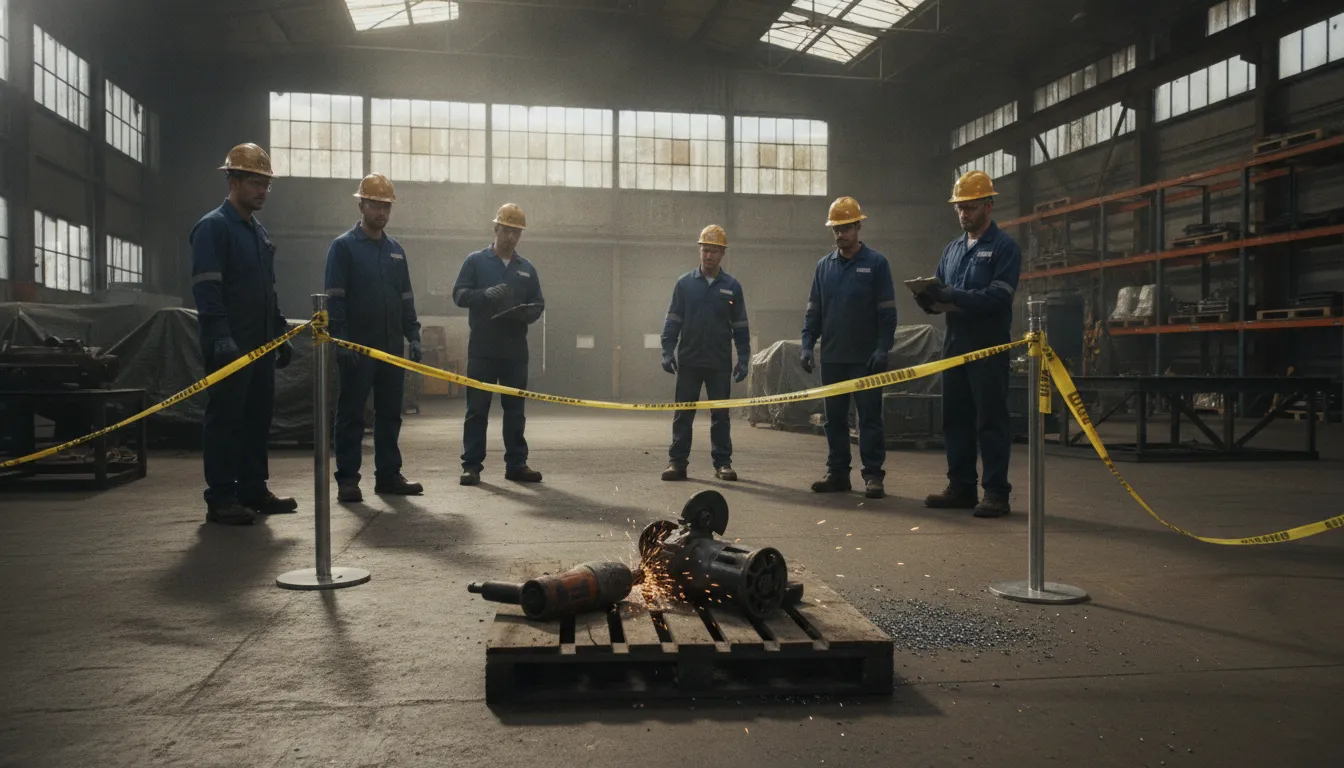
What should you do first after an unsafe equipment injury at work in California?
A sudden accident with a heavy tool or machine can be a shock. You may feel scared or confused, but the first few minutes after an injury are key. Taking the right steps now helps keep you safe and protects your right to money for care. In California, your boss must pay for Workers’ Compensation Services if you get hurt on the job. Knowing how to react to an unsafe equipment injury at work California can help you get the help you need without delay.
Protect yourself and others
Your first job is to get away from the danger. If a machine is still running or a tool is broken, it could hurt you again or strike a co-worker. Move to a safe spot as soon as you can. If it is safe, turn off the power to the equipment. Do not try to fix the tool yourself. Marking the area as unsafe helps stop more injuries while you wait for help. Safety must always come first after a workplace accident.
Get medical care right away
You should see a doctor even if the hurt feels small at first. Some injuries, like inner bruising or head hits, do not show up right away. Under California law, your employer must pay for your medical care when you have a work injury. If the hurt is bad, call 911 or go to the emergency room. Fast care is the best way to start your recovery and makes a clear record of what happened. This record is a key part of your workers’ compensation eligibility check later.
Report the event to your supervisor
Tell your boss or supervisor about the injury as soon as you can. You should do this in writing if you are able. This step starts the legal clock for your claim. If your employer does not fix the unsafe work conditions that led to your hurt, you can call Cal/OSHA. They are the state group that makes sure jobs follow health and safety laws. Reporting the event quickly makes it hard for an insurance company to say the injury did not happen at work.
- Check for more danger. Stop using the broken tool and move away from it. If there is a risk of fire or shock, tell your team so they can leave the area.
- Tell someone on site. Call out for help or tell a co-worker to find a manager. Do not stay silent about a hurt, even if you think you can keep working.
- Find professional help. Go to the doctor or the hospital. Tell the medical staff that you got hurt while doing your job so they can file the right forms.
- Save the proof. If you can, take photos of the equipment that caused the hurt. Do not let anyone throw away or fix the tool before it is looked at.
- File a formal notice. Fill out the claim form your boss gives you. This form is the start of the official path to get your medical bills paid.
When a worker gets hurt by defective equipment that may support a personal injury claim, they might have more than one type of legal case. Most work injuries fall under the workers’ comp system. But if a bad design in the machine caused the event, you might also have a third-party claim against the maker of the tool. This can provide extra money for things that workers’ comp does not cover. Following these first steps ensures you have the proof you need for both paths.
Get medical care and document how the equipment caused harm
If you have an unsafe equipment injury at work California, your first step must be to see a doctor. Getting care right away is vital for your health. It also creates a paper trail for your claim. In California, your boss must pay for your care if you get hurt on the job. This is a key part of workers’ compensation benefits that the law protects.
Tell your doctor how you got hurt
When you talk to a doctor, be very clear about how the equipment failed. Tell them if a tool broke, a guard was missing, or a machine started on its own. These facts help link your hurt to the gear you used. You should also tell the doctor if your pain came from one event or from using the same tool many times. Both types of harm are covered under the state’s no-fault system.
Keep track of all your records
Keep a folder with every paper you get from the clinic. This includes doctor notes, test results, and lists of drugs you need to take. You should also track your travel costs to and from the doctor. The state lets you get back money for mileage and parking when you go to your visits. For 2026, the rate is 72.5 cents for each mile you drive to get care.
Follow the doctor’s plan for care
Missing a visit can hurt your case. It might look like you are not really in pain. Go to every session and follow all work limits the doctor sets. If you cannot do your old job, your doctor will write down what you can still do safely. This helps your legal team show the full impact of the unsafe gear on your life and work.
How does California workers’ compensation apply?
When you have an unsafe equipment injury at work California laws protect you. Most jobs in the state must have insurance to help workers who get hurt. If you get hurt because of a machine or tool, this system pays for your medical care and lost wages. It does not matter if the mishap was your fault or the fault of your boss. California uses a no-fault system so you can get help fast.
The no-fault system in California
In California, workers’ compensation is a no-fault plan. This means you do not have to prove your boss did something wrong to get help. Even if you made a small slip, you can still file a claim. According to the California Department of Industrial Relations, the law says your boss must pay for your benefits if you have a work injury. This rule makes it easier for you to get the care you need without a long court fight. You just need to show that your injury happened while you were doing your job.
This system is built to be quick. It is not like a normal lawsuit where you must show who was at fault. If a piece of gear breaks and hurts you, the main goal is to get you well. But you must still follow the right steps to make sure your claim is safe. If you wait too long to start, you might lose your right to get pay for your time off work.
How to report your injury
The first step after an injury is to tell your boss or lead right away. If you wait more than 30 days, you might lose your right to get help. When you report the hurt, your boss should give you a claim form to fill out. This starts the claim process so the insurance can see what happened. They will look at the facts to see if you meet the workers’ compensation eligibility rules for your case.
Make sure you keep a copy of every form you sign. It is also good to write down the names of people who saw what happened. If the gear that hurt you was old or broken, tell that to your boss too. They are supposed to keep the workplace safe and fix tools that do not work right. Sharing these facts helps clear up how the event took place.
Benefits for injured workers
The system pays for many things while you heal. It covers all medical care to cure or relieve the effects of your hurt. This includes doctor visits, tests, and drugs. You can also get pay for the miles you drive to see your doctor. For 2026, the rate is 72.5 cents for each mile you drive to your medical checkups. This helps cover the cost of gas and wear on your car.
- Payment for lost wages while you cannot work
- Funds for medical care and help to get strong again
- Money to learn new skills if you cannot do your old job
- Death benefits for families if a worker dies from an injury
If a loved one dies from a work injury, the law provides help for the family. This includes up to $10,000 for burial costs for injuries that happened on or after January 1, 2013. These benefits are there to help your family stay afloat during a hard time. Talking to a lawyer can help you understand all the funds you might be able to get after a bad accident.
Handling these rules alone can be hard. The insurance company might try to say your injury was not that bad. Or they might say it did not happen at work. Having a team on your side makes a big difference. We help you deal with the paperwork so you can focus on getting better. Our firm has been helping people in Southern California for 50 years with their work claims.
Can a third party be responsible for defective equipment?
When you suffer an unsafe equipment injury at work in California, your boss usually pays for care through workers’ compensation. This system is no-fault. This means you do not have to prove the company did something wrong to get help. But these benefits are often small. If a tool or machine was poorly made, you might also have a claim against a third party. This can lead to more money for your pain and loss of life quality.
Who are third parties in a work injury?
A third party is any person or firm other than your boss. If a tool breaks and hurts you, the maker of that tool could be to blame. This is called product liability. Other firms might also be at fault. This includes the shop that sold the tool or a firm that was hired to keep it in good repair. In some cases, a land owner or a separate firm on a job site could be liable if they gave you the bad gear.
Finding the right party is key to your case. If you need to know more about who can file, you can check our guide on workers’ compensation eligibility. Our team looks at every fact to see if someone outside your job caused the harm. This helps you get the full amount you need to recover from a construction accident workers’ compensation case or other work harm.
How product claims and workers’ comp overlap
You can often have two cases at the same time. One is for workers’ comp through your job. The other is a suit against the maker of the defective equipment. While your boss must pay for your care by law, a third party can be sued for things workers’ comp does not cover. This includes full lost pay and mental stress. These two paths work together to make sure you have the funds to move forward after a bad crash.
It is vital to act fast in these cases. State laws require California employers to give you help if you get hurt, but third-party suits have their own rules. We can help you manage both cases so you do not miss out on what you are owed. This ensures that every firm that played a part in your harm is held to account.
Comparing workers’ comp and third-party claims
| Feature | Workers’ Compensation | Third-Party Claim |
|---|---|---|
| Who pays | Employer’s insurance | Manufacturer or other party |
| Fault needed | No fault needed | Must show fault or defect |
| Pain and suffering | Not covered | Can be covered |
| Full lost pay | Usually partial pay | Full loss can be claimed |
| Legal path | State board system | Civil court suit |
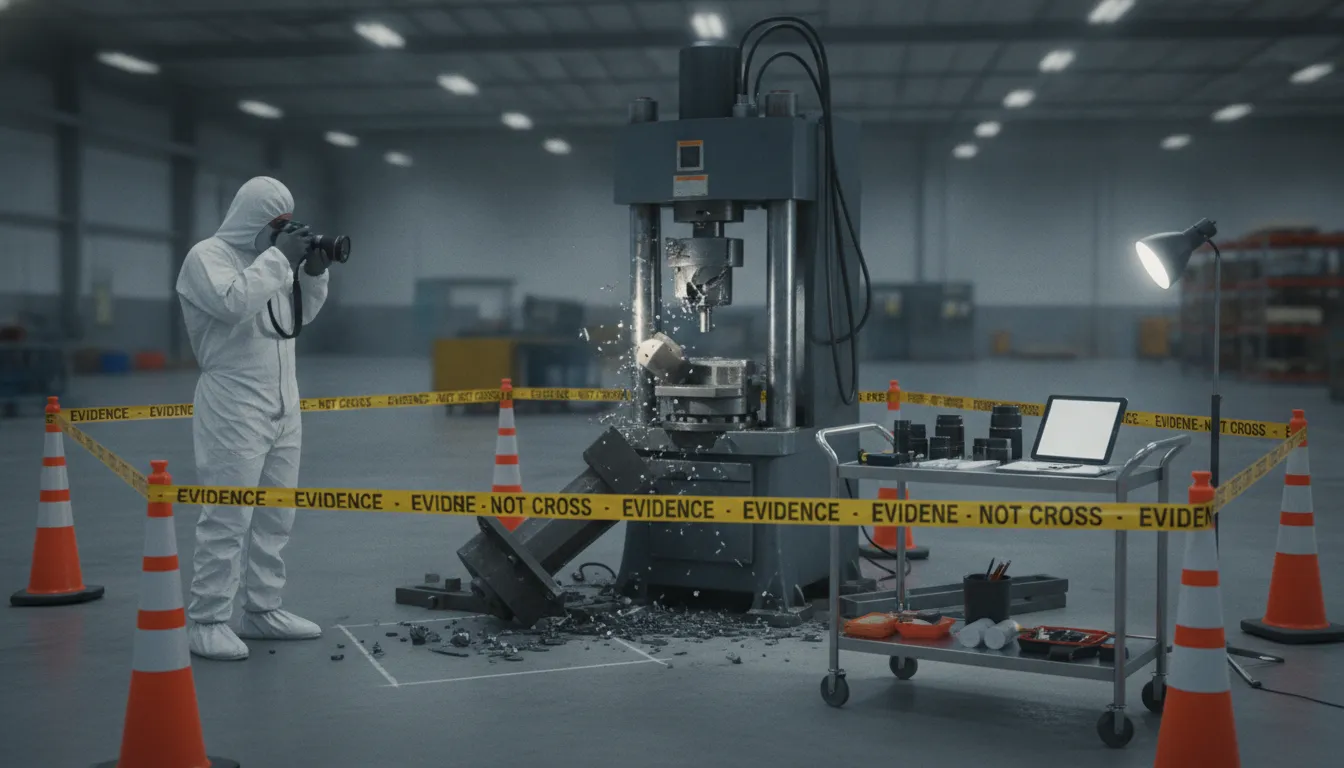
What evidence should you preserve after an equipment injury?
If you get an unsafe equipment injury at work California, the proof you save now matters for your case. Most work hurts fall under a no-fault plan. This means California shops must pay benefits even if they did not make a mistake. But if a bad tool hurt you, you might have a third-party claim. This type of claim can help you get more cash than basic workers’ comp. Saving the right proof helps your team show what went wrong.
Take photos of the tool
Use your phone to take many shots of the tool that hurt you. Get shots from far away to show the whole room. Then, move in close to see the small parts. Look for tags that list the brand and model name. These tags often sit on the back or side of the frame. If the gear has rust or missing guards, take clear shots of those spots too. These photos help prove the tool was in bad shape before the crash.
Check for safety signs on the machine. Are there stickers that warn about sharp parts or hot spots? If those signs are gone or hard to read, take a photo. You should also snap shots of the ground around the tool. Look for oil spills, loose wires, or dim lights that made the job hard. These small facts can be a big help later. They show the full scene of your unsafe equipment injury at work California.
Save your own gear
Your clothes and safety gear are key parts of the story. Do not wash the shirt or pants you wore during the event. Put them in a bag and keep them in a safe place. Blood, tears, or grease on your clothes can show how the tool hit you. If you wore gloves or a mask, keep those items too. They might show that you tried to stay safe but the gear failed to protect you.
You should also keep your shoes or boots. Check the soles for grease or mud that could have caused a slip. If the tool crushed part of your boot, that damage is vital proof. An expert can look at your gear to see how much force the machine used. This helps explain how deep your hurt goes. Keeping your workers’ compensation eligibility in mind, this proof supports your need for care.
Get witness names and logs
Talk to the people who were near you when it happened. Other workers often see things you might miss while you are in pain. Write down their names and how to reach them. You should also ask for a copy of the shop’s hurt report. In California, shops must follow safety plans to keep you safe. If they did not follow their own rules, the report might show it.
Ask for the logs that show when the tool was last fixed. These care records tell you if the shop took care of the gear. If the tool broke in the past, these logs will prove it. You should also ask to see the book for the tool. This book shows how the maker says to use the gear. If your boss made you use it the wrong way, the book helps prove their fault. A lawyer can help you get these files if the shop says no.
Mistakes that can make an equipment injury claim harder
Getting hurt by a tool or machine at work is a big life event. In California, you have rights to help, but simple errors can put those rights at risk. Avoiding these common traps is the best way to keep your case on track after an unsafe equipment injury at work California.
Talking to insurance companies alone
After you report an injury, insurance agents may call to ask for a talk. They often sound helpful, but their goal is to find ways to pay less. They might use your words to say the injury was your fault or not as bad as you claim. You do not have to give a recorded talk right away. It is often better to talk to a lawyer first to make sure you do not say things that hurt your workers’ compensation claim later.
Signing papers without a review
Bosses or insurers might ask you to sign papers fast. These forms could let them see too much of your past health records. They might also try to get you to sign a deal before you know the full cost of your care. In California, employers must pay for benefits by law, but signing the wrong form can limit what you get. Never sign a paper if you do not fully know how it affects your rights.
Posting on social media
It is tempting to share your story or photos with friends online. But insurance firms often watch these pages. Even a simple photo of you at a meal could be used to say that you are not truly hurt. It is best to stay off social media while your case is active. This keeps your data safe and keeps your unsafe equipment injury at work California claim strong.
Failing to report hazards
If you see a broken tool or a machine with no guard, you should tell your boss. California law says firms must have a plan to fix unsafe conditions fast. If you get hurt and there is no record that you told them of the danger, the firm might claim you knew the risk and ignored it. Keeping a note of your safety fears helps show that the fault lies with the gear, not with you.
When should you speak with a California injury lawyer?
Getting hurt on the job can change your life in a second, and most people know they can get help through workers’ comp. But an unsafe equipment injury at work California claim can be much more tricky than a basic slip and fall. If a tool was broken or a machine lacked safety guards, you may need to look past your boss for help. A lawyer can tell you if you have more than one way to get paid for your medical bills and lost wages.
Assessing your legal options
You should speak with a lawyer as soon as you can after a workplace accident. In California, the law says bosses must provide benefits, but these often only cover a portion of your losses. To see if you can get more, check your workers’ compensation eligibility with a pro. They will ask if the tool that hurt you was old or poorly made and if the maker knew it was dangerous.
Finding the right way forward is key to your healing, so you must know if the machine failed because it was not kept up. Was there a design flaw that made it unsafe for any worker? In some cases, a construction accident workers’ compensation case might also involve a third party like a tool maker or a repair crew. A lawyer helps you find every group that might owe you money for your pain.
Seeking a third party claim
The state uses a no-fault system for work injuries, which means you do not have to prove your boss did something wrong to get help. As noted by the California Department of Industrial Relations, your boss must pay for your care if you are hurt at work. But this system often blocks you from suing your boss in court. If a separate company made the bad tool, you could file a product liability suit that covers things workers’ comp does not.
Building a strong case early
Evidence can fade fast after an accident happens as tools get fixed and machines get replaced. A lawyer can help you keep the proof you need to show the tool was not safe by hiring experts to look at the gear. This work is vital for a strong case in Southern California and ensures that you do not miss any state deadlines. It also helps you focus on your health while your legal team handles the hard work.
Most injury firms in the state work for a fee only if you win, so you can get advice without paying anything upfront. A lawyer will review the facts and tell you the best way forward. They can help with both your workers’ comp claim and any suits against other firms. This full way of working gives you the best chance to get all the money you need to move on with your life.
Frequently Asked Questions
Can I sue my employer for unsafe equipment in California?
Mostly, you cannot sue your boss directly for a tool that hurts you. California uses a no-fault system. This means you get help even if you cannot prove your boss did something wrong. As stated by the California Department of Industrial Relations, all bosses must pay for work injury help. You might only sue them if they hurt you on purpose or if they do not have the right insurance.
What if a machine maker caused my work injury?
If a tool was poorly made, you may have a case against the maker. This is apart from your main claim. A third-party product liability claim lets you seek more money for your pain. This often happens when a machine lacks safety guards or has a bad design. These cases can pay out more than a standard claim against your boss. You should act fast to protect your rights.
How do I report dangerous equipment at my workplace?
You should first tell your boss about the risk. Bosses must fix unsafe tools fast. If they do not act, you can report them to the state. The California DIR says that Cal/OSHA makes sure firms follow safety laws. You have a legal right to a safe job site. Reporting these issues helps keep you and your coworkers safe from harm or death while you are at work.
Will workers’ compensation pay for travel to my doctor visits?
Yes, you can get money back for travel to see your doctor. This pays for gas, parking, and bridge tolls. For any work injury in California starting in 2026, the mileage rate is 72.5 cents per mile. You should keep a log of every trip you take for care. Send these records to the insurance firm. They will then pay you back for the cost of your trips to get help.
Ready to schedule your workplace injury consultation?
If you wait to act, you may lose the chance to get full pay for your medical bills and lost wages. Deadlines in California are strict and missing them can end your legal rights forever. Starting now helps our team find proof while it is fresh to build a strong case for you. You do not have to face big firms alone when you have a legal team by your side. We can check your workers’ compensation eligibility and look for other claims that might help you. Our goal is to make sure you get all the help you can for your loss of work.
Ready to schedule a consultation? Contact a workplace injury lawyer to protect your rights.